


/file/publisher-c1a3f893382d2b2f8a9aa22a654d9c97/2025/09/98efd8d6dc8a7783a71d67340520e3a4.jpg)

M'sia among countries targeted in new US probe over 'unfair trade practices'
According to a BBC report, US trade representative Jamieson Greer said on Wednesday that the investigation could lead to fresh import levies on major trading partners.
The investigation, launched under...
Malaysia is among several countries being investigated by the United States in a new probe into alleged unfair trade practices.
According to a BBC report, US trade representative Jamieson Greer said on Wednesday that the investigation could lead to fresh import levies on major trading partners.
The investigation, launched under Section 301 of US trade law, comes after the US Supreme Court last month struck down a key component of President Donald Trump’s tariff policies.
Other countries and territories named in the investigation include China, the European Union, India, Japan, South Korea, Mexico, Bangladesh, Switzerland, and Norway, along with Southeast Asian countries Thailand, Cambodia, Singapore, and Indonesia.
If found to have engaged in unfair trade practices, the targeted countries could face new US import taxes.
Greer (above) said he hoped to conclude the investigations before the temporary tariffs imposed by Trump in late February are due to expire in July.
“The US will no longer sacrifice its industrial base to other countries that may be exporting their problems with excess capacity and production to us,” he said in the announcement.
Notably, Canada - the US' second-largest trading partner - was not mentioned as a target of the probe.
The investigation comes ahead of planned talks between senior US and Chinese officials in Paris this weekend, which could lead to a possible meeting between Trump and Chinese President Xi Jinping in Beijing later this month.
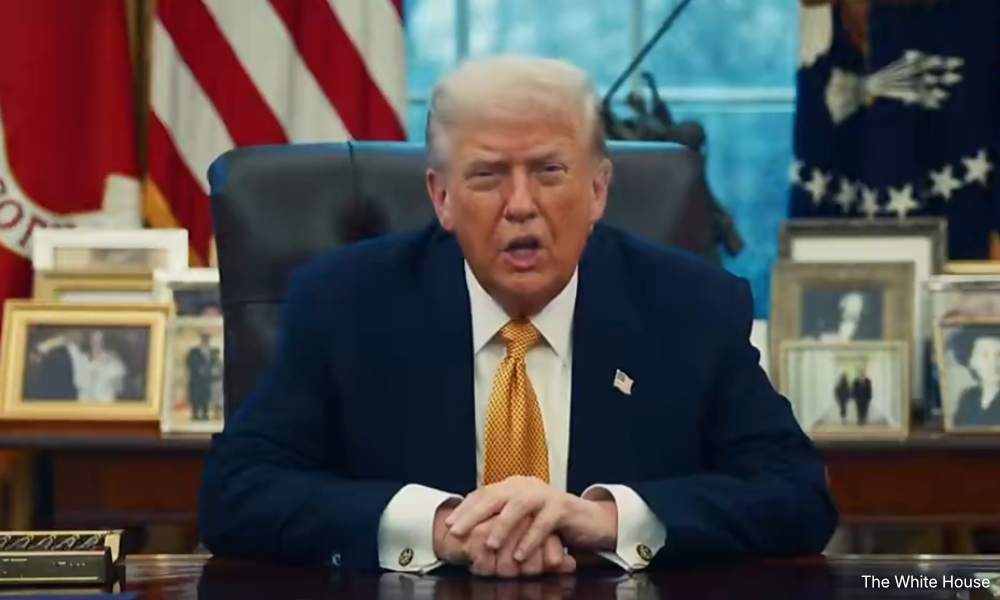
Court ruling and furious Trump
In a ruling handed down on Feb 20, the US Supreme Court ruled that Trump had exceeded his constitutional authority by imposing sweeping tariffs under the International Emergency Economic Powers Act of 1977, a statute specifically reserved for use in genuine national emergencies.
Following this, a furious Trump swiftly imposed a new 10 percent global tariff to replace the ones struck down, calling the ruling "terrible" and lambasting the judges who rejected his trade policy as "fools", the BBC previously reported.
Trump also signalled his intention to invoke alternative legislation to press ahead with his tariff agenda, which he has long maintained serves to encourage investment and manufacturing on American soil.
In October 2025, Malaysia signed a reciprocal trade deal with the US, in a bid to avoid a blanket 25 percent tariff on Malaysian goods, securing a reduced rate of 19 percent.
However, the agreement obliges local government-linked companies to procure American products and aligns domestic regulations more closely with those of the US.
The deal drew considerable criticism, with detractors pointing to its limited tangible benefits, the absence of parliamentary scrutiny, and concerns over its implications for national sovereignty.
This is despite Prime Minister Anwar Ibrahim, who is also the finance minister, having on multiple occasions, including in the Dewan Rakyat, reassured critics that Malaysia has not compromised its stance on key areas of national interest, including trade policies and the halal industry.
/file/publisher-c1a3f893382d2b2f8a9aa22a654d9c97/2025/07/f0b937528bea08ddead4373f89e8f079.jpg)
/file/publisher-c1a3f893382d2b2f8a9aa22a654d9c97/2026/02/676639aa1c4481a2bae3f8d96d125ca7.jpg)
/file/publisher-c1a3f893382d2b2f8a9aa22a654d9c97/2025/10/fbbbd72fc00c6ed697cf9a24aa6c95f3.jpg)


Are you sure you want to delete this comment?
This action cannot be undone.